Sometimes the most vivid, most emotionally moving, and most memorable moments within our lives are those remembered without words. Memories remembered through images and silence. When I look back through the last few years of my life, quietly shuffling through the more beautiful reminiscences of the past, the most heart wrenching scenes which come to my mind are those captured within my head without words, and instead with pictures and specific sights. The moments containing smiling faces, pretty scenery, and those with barely whispers of vague notions hold the most power in creating an atmospheric feeling.
While reading the graphic novel, They Called Us Enemy, by George Takei, I found myself often pausing to stare mesmerizingly at certain panels and pages throughout my read. More specifically, it was the pages without any words which seemed to capture and hold the most emotion. I found it incredibly powerful how the lines upon the pages, those of which created visuals and not words, held the most stirring meanings.

This one moment, which is seen very early on, was one which stuck with me throughout the entirety of the novel. There are no words available to truly describe the heartbreaking feeling of a child who too finds themselves crying after seeing their mother cry for a sorrow not yet fathomable for them. And yet, through the medium of images on a graphic novel page, these emotions are perfectly captured. Not only is the art gratifying, but it’s the way in which the illustrator separates and captures the moments in sequence which truly moves the reader. The well positioned panels and framing, and the pauses in time between what is captured and what isn’t is altogether truly an art in itself.
And as I read on, I came to meet more moments just like that one. Not only is it possible to capture emotions of sorrow through the artwork, but dare I say, some of the most beautiful moments within the whole novel were captured without a word on paper.
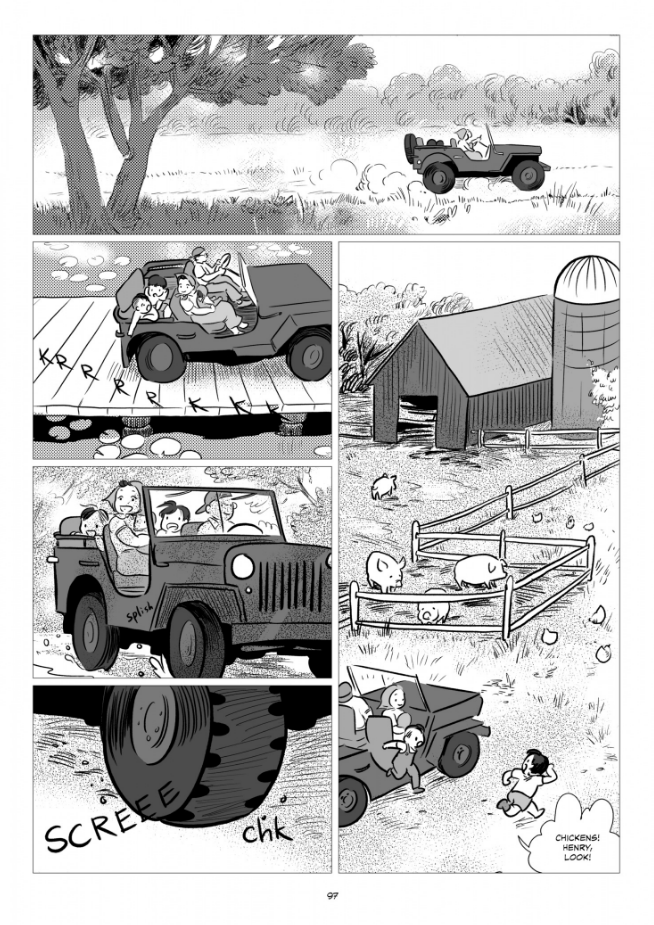

These were some of George’s brightest moments which he could remember during his childhood. These two pages hold an incredible, serene beauty, an almost whimsical contrast to the dark and cruelness of the rest of the novel, which could only have been portrayed through the voiceless scenery provided within these comic pages. Within these pictures, time truly feels like its passing so quickly. Instead of a slow paced telling of that special day, the emotions are captured quickly and almost vaguely. Despite the spread of time throughout the panels, it feels as if this memory which had encompassed a whole day, passes by quickly.
And I found that to be truly amazing to see. The art which goes into framing a comic book’s panels, and capturing time greatly stirred me to try it out myself.
And so I did, and I drew these two mini comics based on inspirations from outside sources as well as my read from the graphic novel.
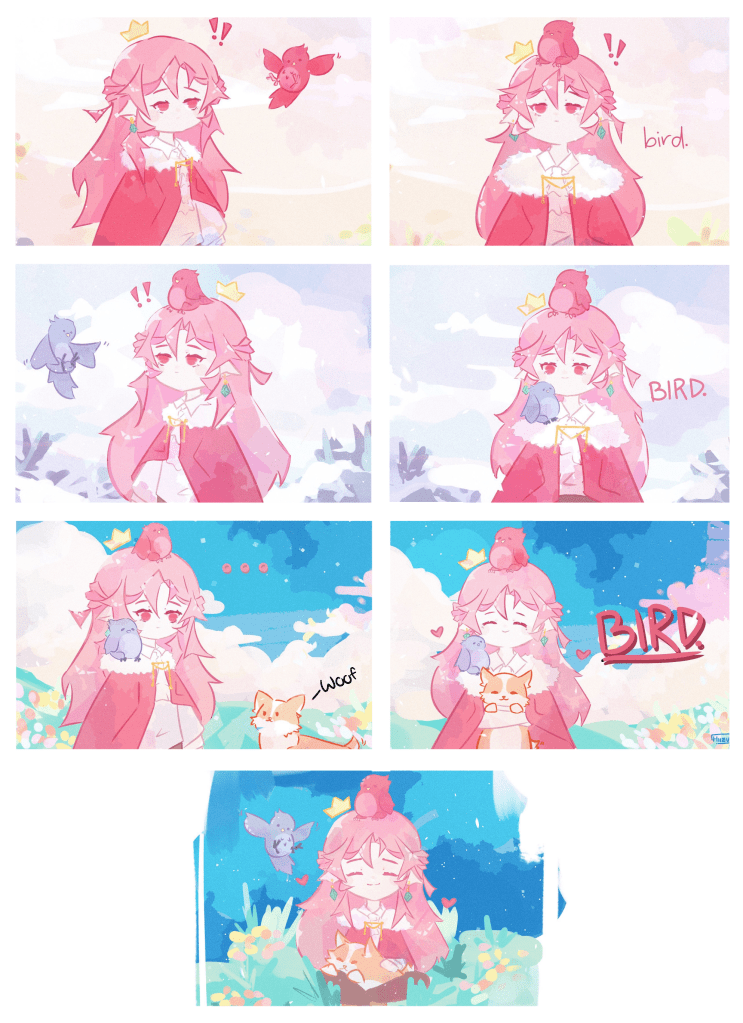
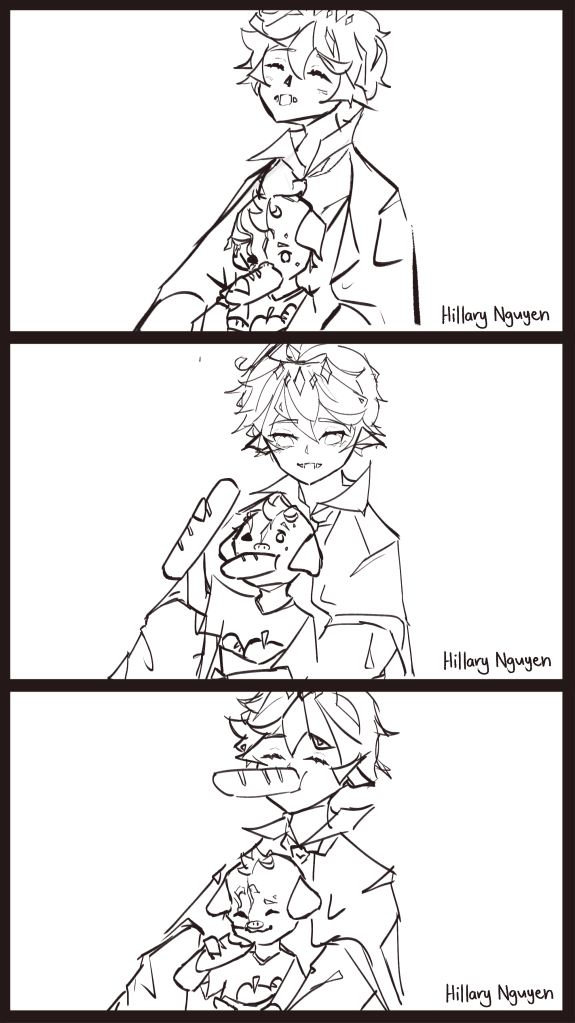
The art of comic creation is truly spectacular and a breath of fresh air to study and analyze. So much of the atmosphere, weight, and emotional feeling of the pages depend not only on the imagery, but the timing, the paneling, and the frames chosen for depiction. Just like the memories which shuffle through my mind, stand powerful in their silence, some of the most beautifully orchestrated moments within comics are captured without words and with instead reliance on the art of the page. It’s the moments in time which are chosen above all else to be portrayed which hold the most emotion.

 Quaranteen