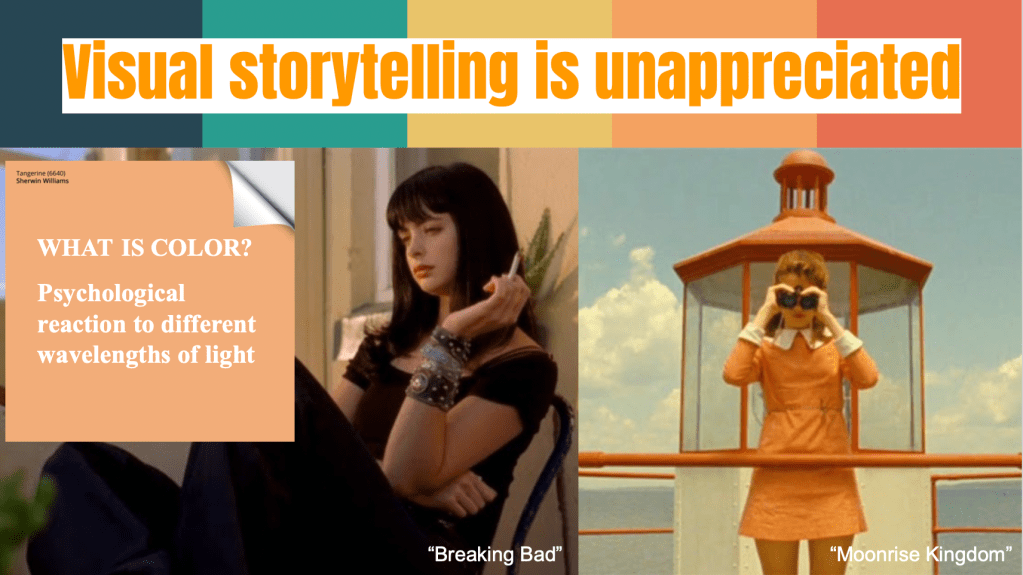
Many people don’t understand the vast part color plays in creating a good film. Without putting thought into the colors used, it can create something visually confusing and incoherent. No one can even describe color because technically speaking it is our psychological reaction to different wavelengths of visible light. It’s how we visually perceive our reality.
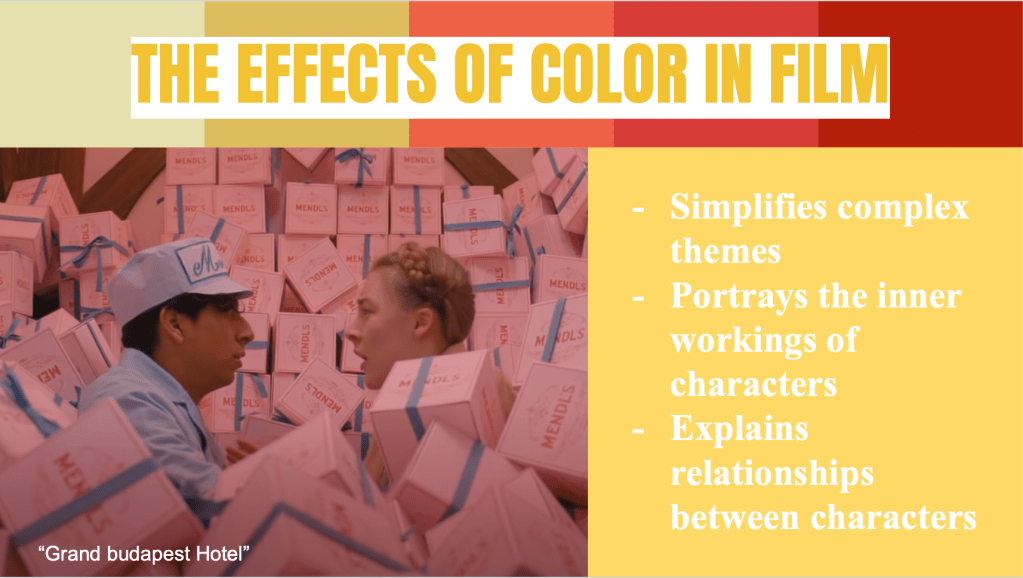
The three main reasons why color theory is extremely important to telling a good story are because color can simplifies complex themes, portray the inner-workings of characters, and even explain relationships between characters, all without dialogue.
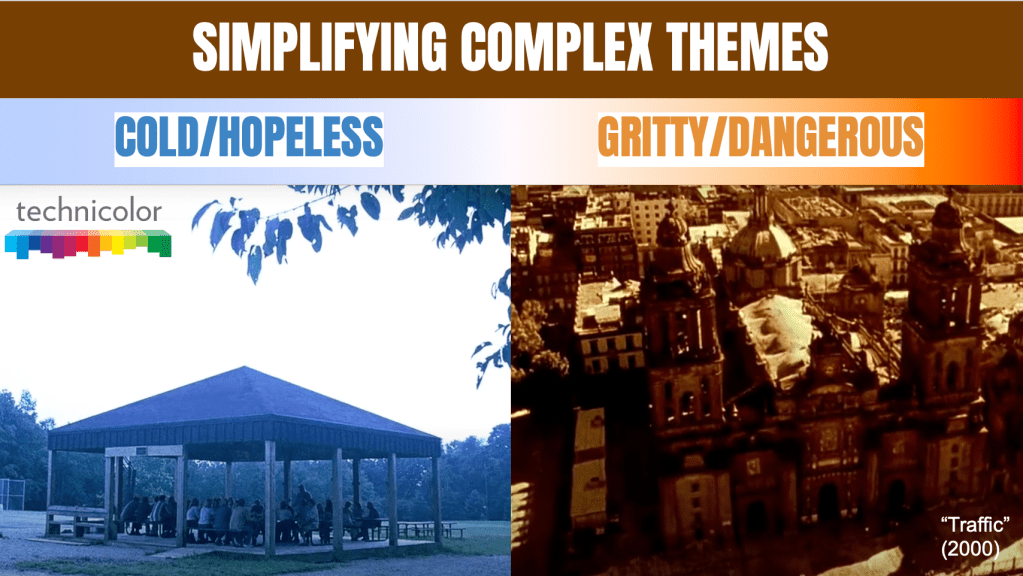
Before technicolor, films were hand tinted because even back then people understood the importance of using color to tell a story! Once technicolor was introduced, however, it changed film forever. Color is used to set atmosphere for the particular stories. Whether the tone is cold and hopeless or gritty and dangerous, we will always have innate psychological reactions to colors.
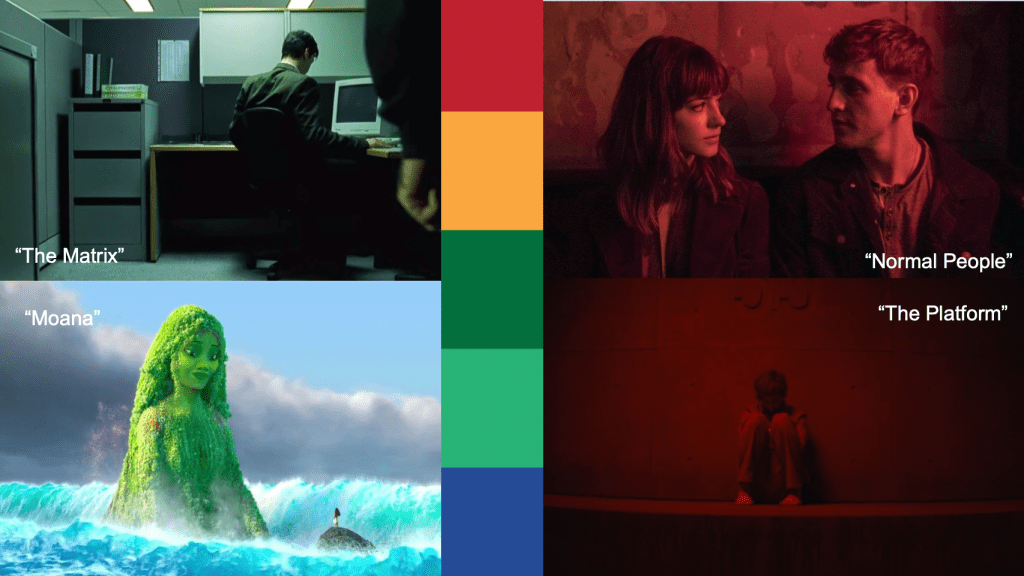
Color doesn’t have just one meaning, either. For example, depending on the context, red can be used as a depiction for hate and cruelty while it can also be seen as passion and love. Just as green can depict mundane activities as well as freeing nature.
There are no guidelines on how filmmakers use color and they don’t need to be psychologists. Great film makers like Wes Anderson rely on their instinct and ideas. And their ideas can be explained through color in order to create amazing films
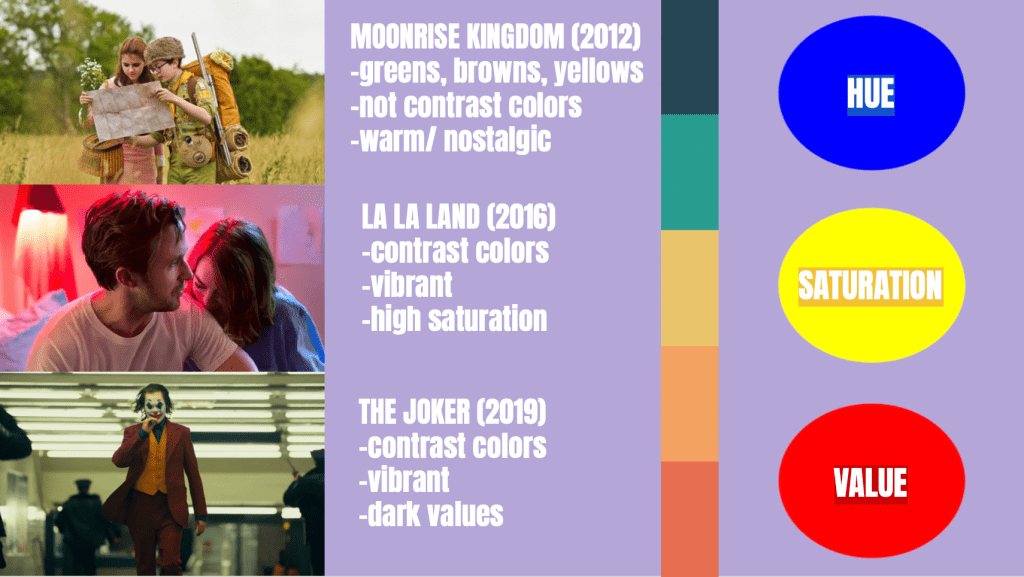
Moonrise Kingdom (2012) Wes anderson used a specific color scheme to signify the feel of the film. Greens, browns, and yellows don’t contrast and are therefore warm and nostalgic.
On the opposite end of that, films like La la land use contrasting vibrant color schemes to create a more upbeat environment. And the movie the Joker used contrasting colors but with darker values to create a dark atmosphere.
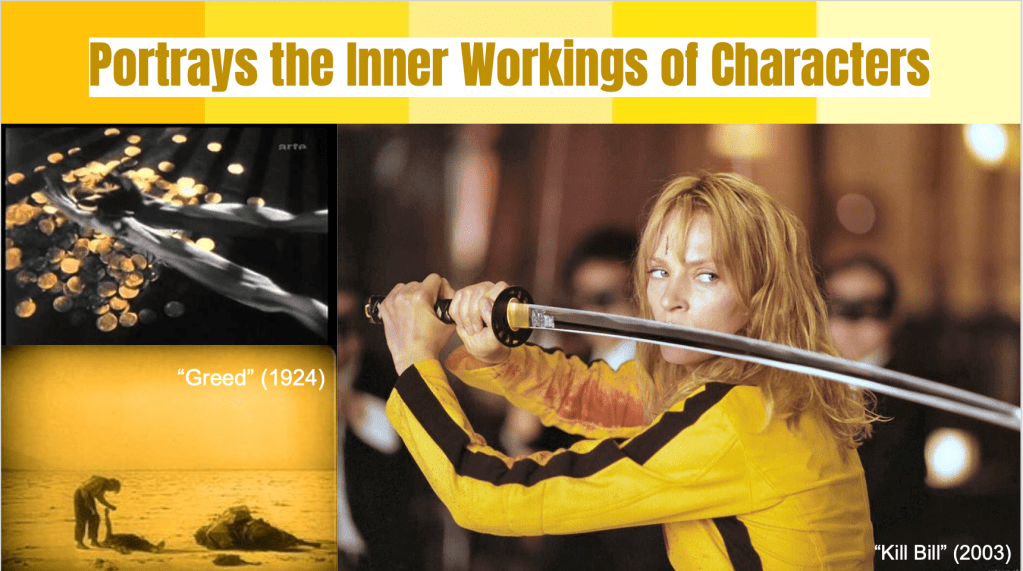
Color also has the power to portray the inner workings of characters. Who they REALLY are and who they want to be portrayed as.
In the movie Greed (1924), money is the only thing hand tinted yellow in the beginning of the film. However by the end, the whole film is tinted yellow representing how greed consumed the main character.
In Kill Bill (2003) Uma Thermons outfit gives us a strong reaction to her character. Is her madness better conveyed in a bright yellow jumpsuit or would it have been a better choice to use the mundane color such as beige? We know that a vibrant yellow that invokes feelings of hazard and is therefore the better choice.
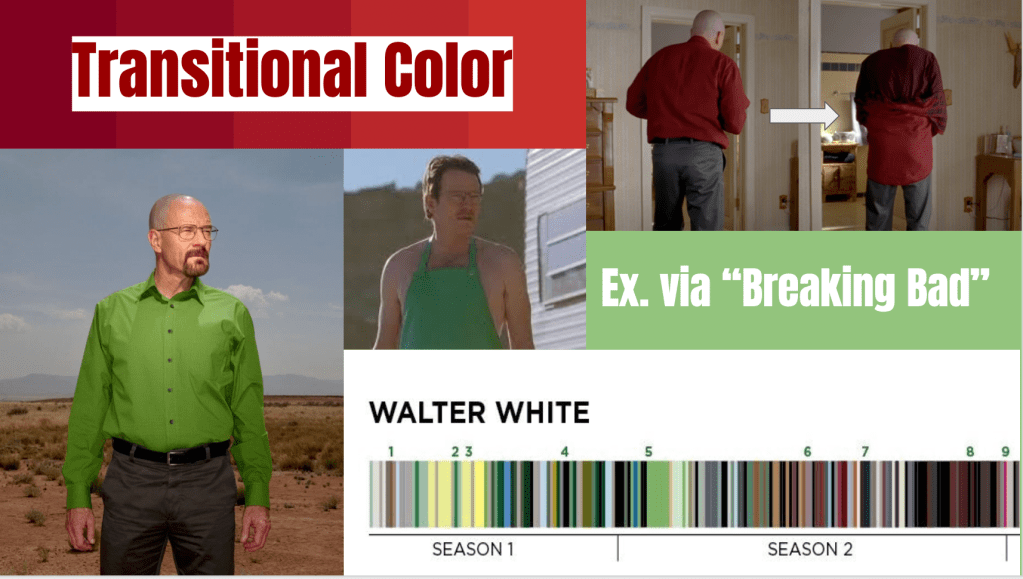
The masterpiece of a show, Breaking Bad, brilliantly uses its characters clothing to explain the characters and break them down without dialogue.
If you don’t know what Breaking Bad is, it’s about a high school teacher, Walter White, who gets cancer and decides to start a drug empire with the help of a past student who is already in the truck business in order to get money for his cancer treatment and to leave the money to his family in case he passes away early from cancer.
The show uses the concept Transitional color. Transitional color has to do with explaining how a character changes over time.
Color schemes in clothes is essential in conveying the moral standings of characters in Breaking Bad. One of the best examples of character transitions comes in a scene from the show where the main character, Walter White, has already transgressed overtime until more villainous state the main character was red as opposed to the green he was known to wear in the first half of the show, a much eviler color. Just before he dives even further into a more convoluted state, he removes his shirt to reveal a darker shirt. His visual presence represents his character arc, something dark lies beneath the surface of Walter White.
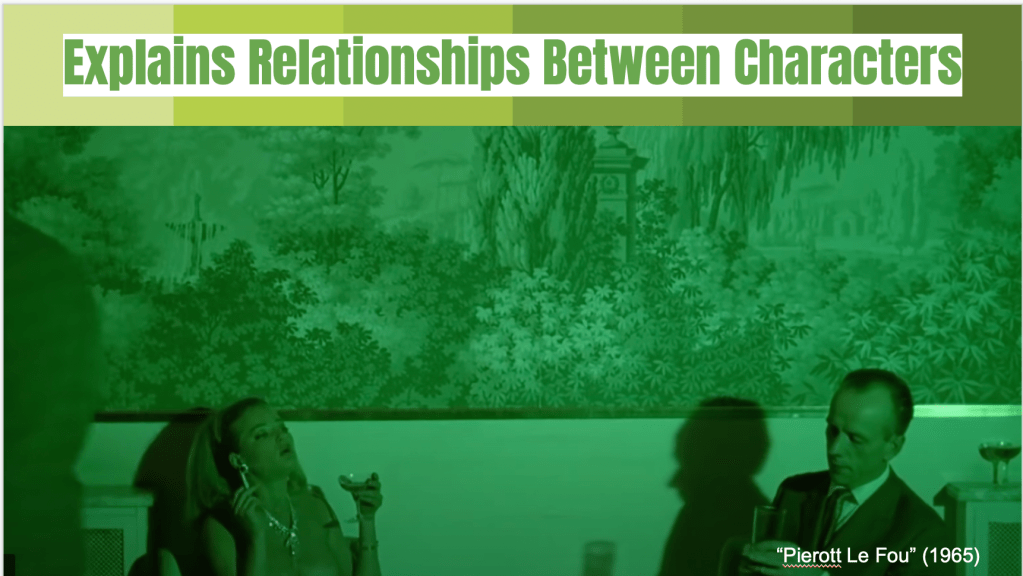
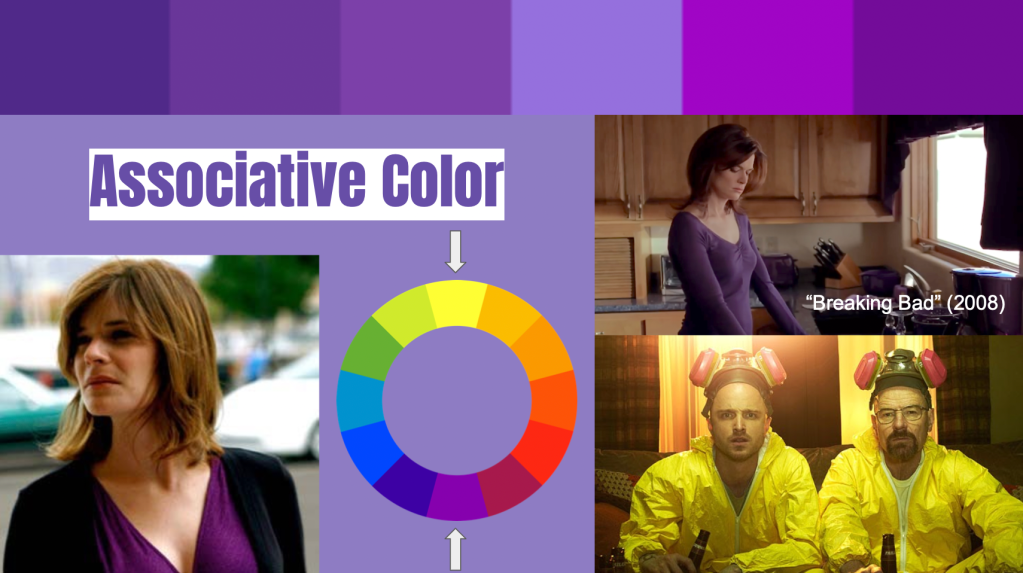
Breaking Bad also uses the concept associative color. Single consistent colors in a story are used as associations of characters or an idea.
One of the side characters in Breaking Bad, Marie, wears the color purple while the main characters wear yellow. Purple and yellow happen to be opposites on the color wheel to signify the side character is furthest away from the action of the story.
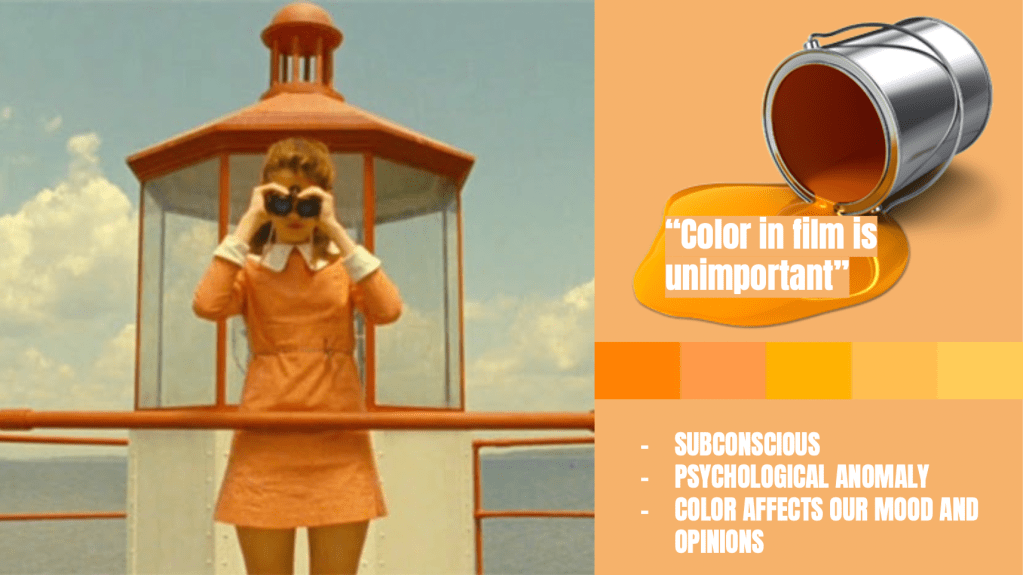
Some people argue that color in film is unimportant because they don’t realize how subconscious it is. Like I mentioned earlier, color affects us whether we like it or not it’s a psychological anomaly and I think a lot of people aren’t able to recognize how filmmakers use of color effects their mood and opinions on the film.
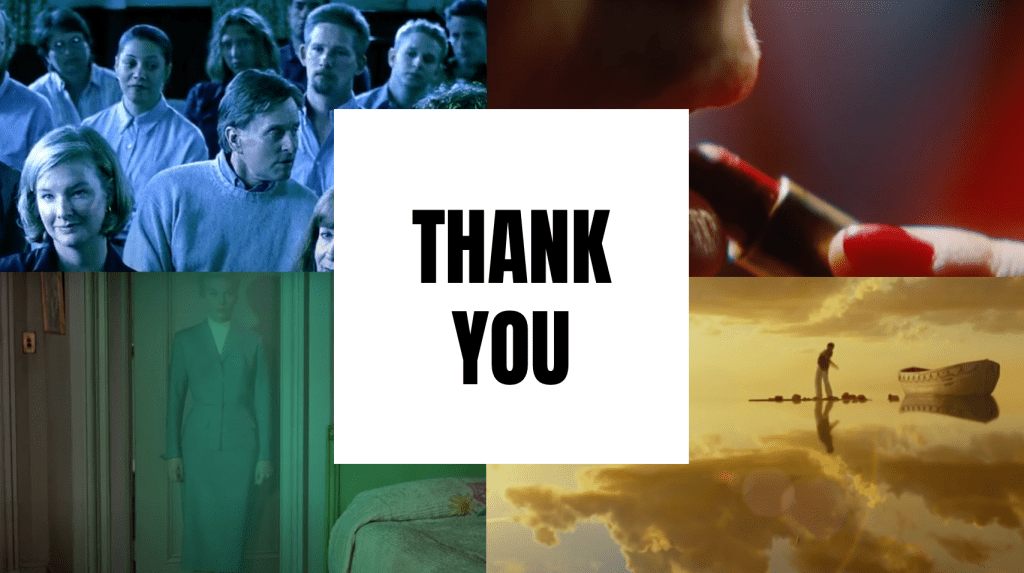
In conclusion, next time you watch a film, try to focus on the use of color and the film may reveal a lot about itself to you; more than words ever could. The concept of color theory has always interested me because there’s so much depth to it. If you enjoyed reading my blog post, I encourage you to look more into color theory yourself. Thank you!!

 Quaranteen