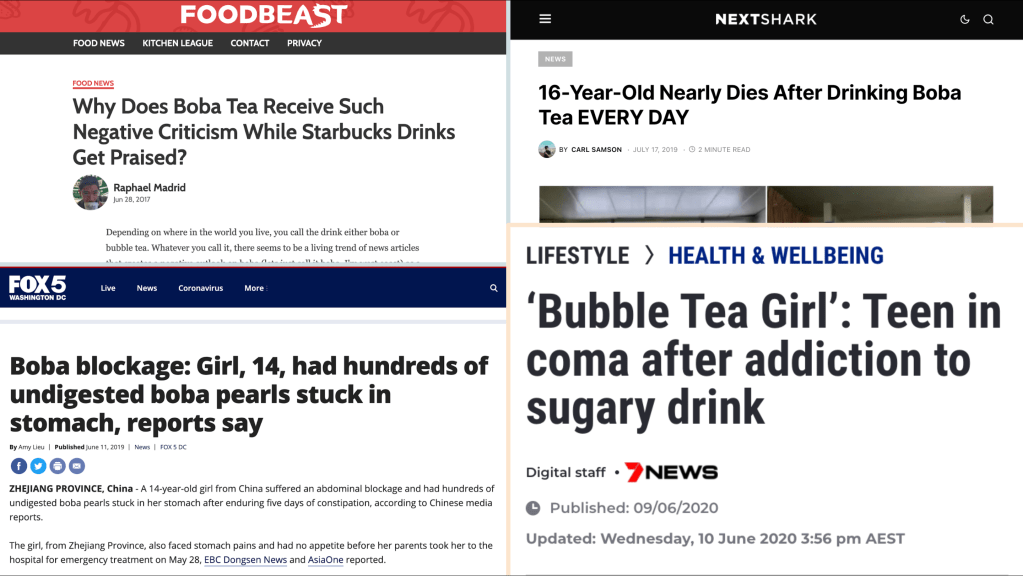
Boba culture started in the late ’80s in Taiwan, and now it has become a full-blown sensation around the world. Despite its praise, boba itself has faced a ton of negative criticism for a while now. Every so often, you might hear news of someone being rushed to the hospital due to drinking boba. Maybe we should stick with drinking Starbucks or Jamba Juice, then. Knowing that you can die from eating this, why do so many people still eat it? Why is boba so popular now?
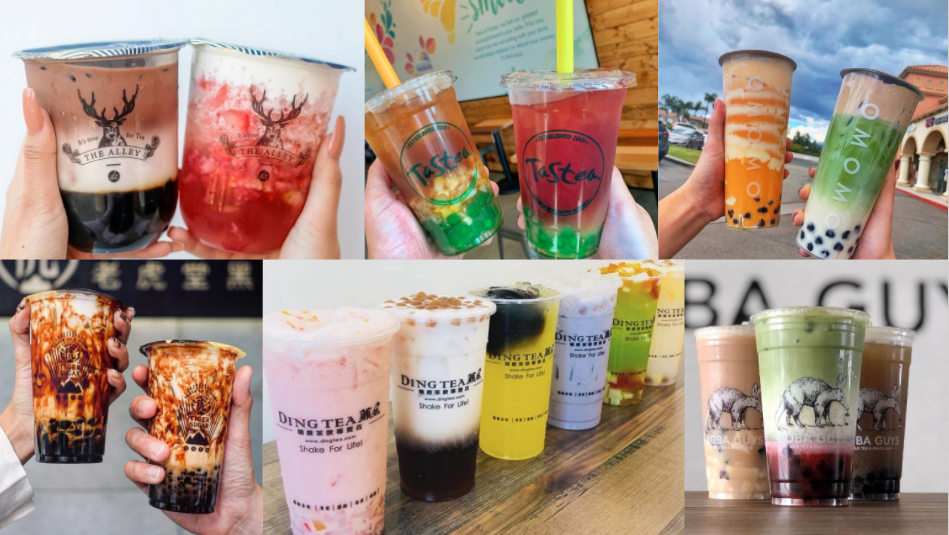
Let’s take a second to talk about boba. Why is boba unmatched compared to other toppings and drinks? It’s simple, really. Boba has a unique taste and texture, a variety of options to choose from, and it can be bought at a cheap price.

Boba, commonly known as tapioca balls, are first soaked in simple syrup before being added to a drink. A milk-based or fruit-based cup of tea is infused into the chewy boba, giving us that sweet flavor that every cup has. Unlike juice or coffee, boba offers a sort of “break” from the same boring consistency that these drinks have. There really isn’t anything like it.
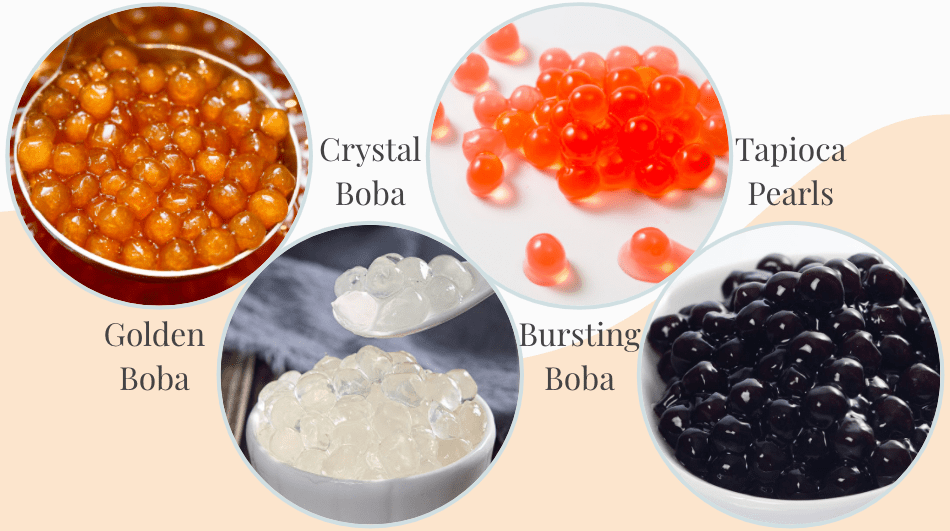
Tapioca pearls is a common topping you can find at every boba shop. However, they aren’t the only boba. Bursting boba doesn’t have the same chewy texture, but it contains a soft thin outer shell and fruit juice inside, so when you give it bite, you are hit with a fun burst inside your mouth. Another option you may find at a boba shop is crystal boba. It has a chewy, gelatin-like texture and a subtle citrusy flavor. Because it’s translucent, its color varies based on the flavor of your drink. You can customize the type of boba you want, but also the drink itself. With the numerous amounts of flavor there are, it adds up to hundreds of different combinations you can try!
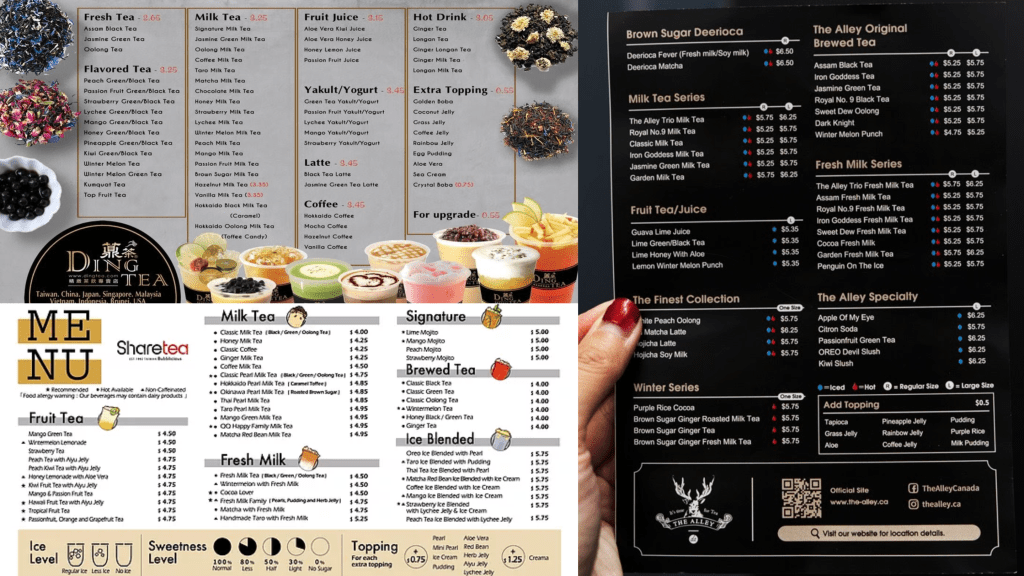
Whether you want to buy boba at a shop or make it at home, the cost of it is relatively cheap. In fact, boba tea generally costs just about the same as traditional or specialty coffee. It ranges from $3.00-$7.00 a cup, but it may/may not increase based on the number of toppings added or the size of the drink. The picture on the top left is the menu at Ding Tea. The drinks here are about $4.00 or less. At Sharetea, which is the picture at the bottom left, the drinks are about $4.00-$5.00 here. Lastly, on the right is a picture of the menu at The Alley. The drinks here are a little bit pricier than the other two shops, but the prices range between $5.00 and $7.00, and they do not get higher than that.

Tapioca is not a natural product, as it is processed from the cassava root (shown above). Due to this and a large amount of water needed to produce it, water pollution from tapioca manufacturing has been a problem in many countries in Southeast Asia. The cassava root is grown in tropical regions in order to supply the great amount of water it needs. Unfortunately, widespread droughts and the cassava mosaic disease has cut production in certain areas in the country by 30%, with even lower production in neighboring countries. However, the massive growth of boba consumption has created more cassava fields worldwide. As a matter of fact, cassava is one of the leading food and feed plants if the world. It ranks fourth among staple crops, with a global production of about 160 million tons per year.
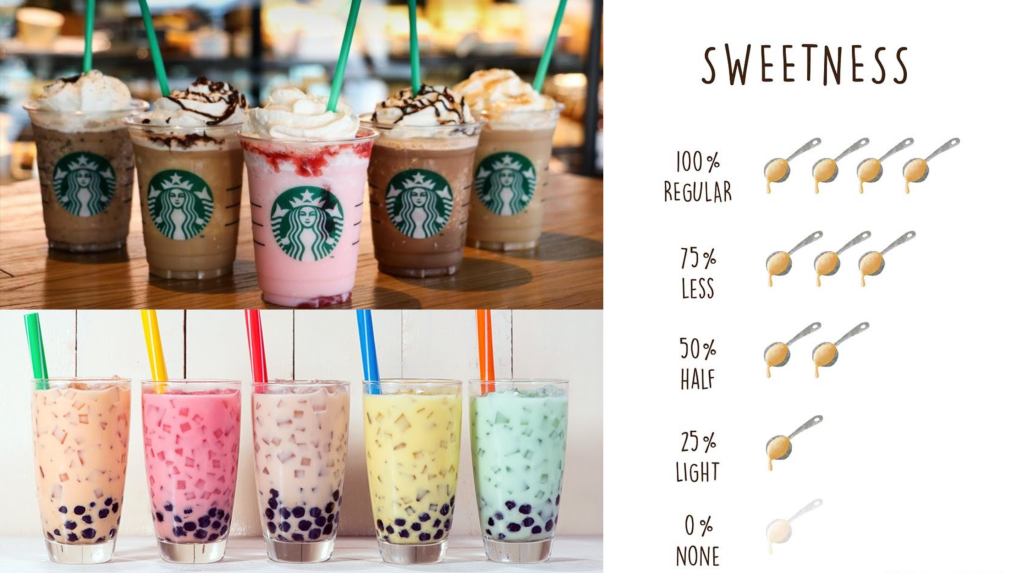
Don’t know whether to drink boba or Starbucks? I think the choice is pretty obvious, but if you want some explaining, I’m more than happy to tell you why.
Boba contains mostly carbs and small amounts of cholesterol, fat, and sodium. It’s also a source of little iron, dietary fiber, and manganese.
In regards to sugar, a recent experiment commissioned by Channel News Asia, Applied Food Science and Nutrition, students found out that for every 500ml of brown sugar milk tea, there was about 92g of sugar in it, which is three times the amount of what a 320ml Coca-Cola soda contains. A Grande-sized (around 474ml) Starbucks Caffe Vanilla Frappuccino, whole milk with whipped cream, contains 69 grams of sugar. The numbers may be in favor of Starbucks, but do remember that milk tea chains also have sugar level options: 100 percent, 75 percent, 50 percent, 25 percent, and 0 percent. You have more control over the sugar content of your milk tea. With Starbucks, the best you can do is refuse whipped cream and opt for soy instead of whole milk.
In addition, boba usually pairs well with tea. Between tea and caffeine, they both have their own health benefits. Numerous studies have shown that a variety of teas may boost your immune system, fight off inflammation, and even ward off cancer and heart disease. On the other hand, caffeine mainly effects the brain, improving memory and mental functioning, decreasing fatigue, boosting metabolism, and even reducing the risk of diabetes and liver damage. Benefits aside, tea, however, is the better alternative because drinking coffee can form into a habit. An excess intake of caffeine may lead to side effects such as the jitters, anxiety, irregular heartbeat, or insomnia.
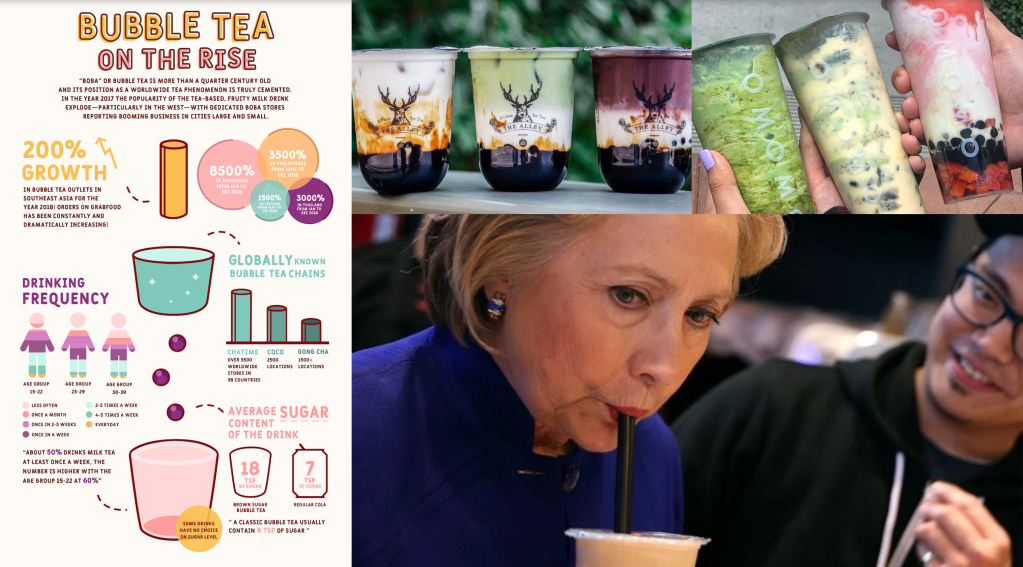
The amount of boba consumed is constantly rising, so much that the growth rate in 2018 was 200%. Kids, teens, even adults, we all drink boba. Bubble tea has now gotten more popular, especially to teens and children because of its aesthetics and the fun texture of boba. Globally known bubble tea chains, such as Chatime and GongCha, have more than 1000 locations in the world. This further proves how extremely popular boba is. And come on, even Hillary Clinton’s drinking boba. It doesn’t get better than that.
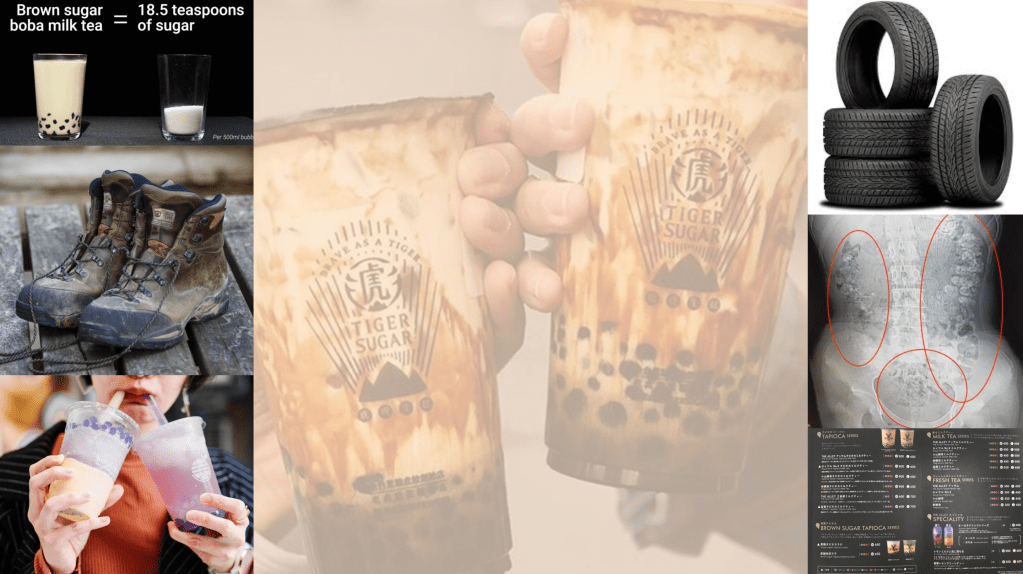
Now, to address the boba haters:
To clear up the most common rumor regarding boba, no, it is not made from car tires and the soles of shoes. Yes, and I’ll say it again. It is NOT made from car tires and the soles of shoes. There are stories of bubble tea shops in China that are allegedly selling drinks with boba made from these materials. Even so, it’s safe to say that us Californians won’t be drinking these boba anytime soon. Still, if you were to visit China, simply avoid the boba shops there.
Yes, boba has a lot of sugar, more sugar than a regular can of Coca-Cola. To remind you, default boba drinks are usually really sweet, which is why you can adjust the sweetness level.
Some parents and kids have died, been in a coma, or even experienced stomach problems, due to the overconsumption of boba. There’s only one way to avoid this from happening: don’t drink boba on a regular basis. It is tempting, I know, but drinking so much boba can lead to long-term health issues such as diabetes and cancer. Furthermore, be careful when you do drink boba because it can be a choking hazard if you do not drink it correctly.
Last, but not least, some might argue that the prices for boba are a little bit too expensive. In comparison to other popular beverage places like Starbucks and Jamba Juice, the price for boba is just about the same, sometimes even lower.

Now that everything is cleared up, there’s no way for you to not try boba now. As a boba connoisseur myself, I’m proud to say that there’s no other topping quite like boba!

 Quaranteen